Labubu in Australia: More Than Just a Toy, It’s a Movement


Introduction
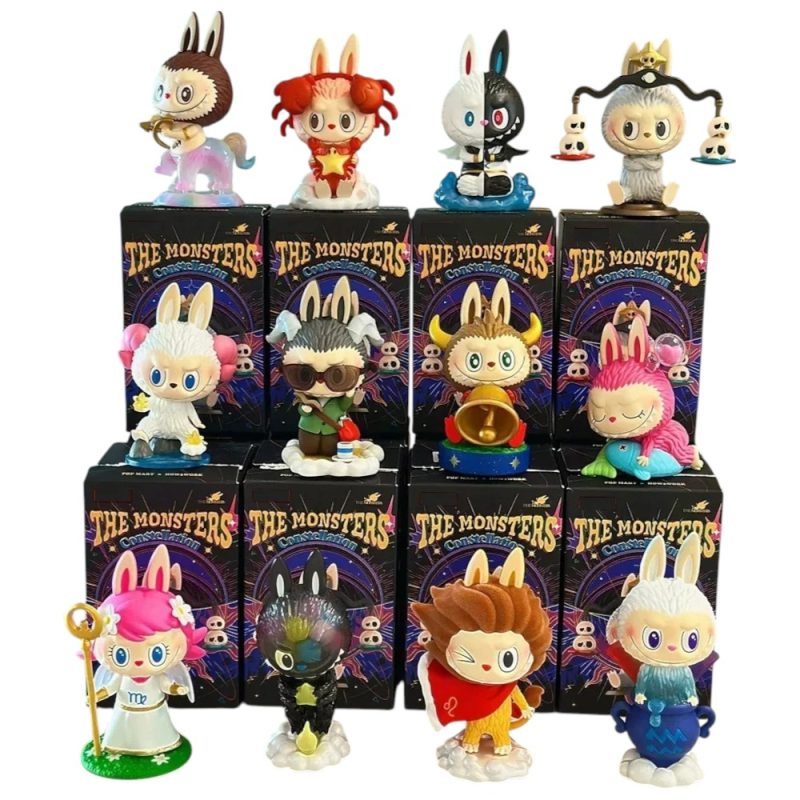
Every year, Australia sees fresh cultural waves sweep through its cities—sometimes it’s sneakers, sometimes fashion, and lately, it’s collectible art toys. Out of all of them, Labubu has taken center stage. What began as a quirky figure quickly transformed into something much larger. Today, Labubu Australia isn’t just a phrase for toy collectors; it represents a lifestyle embraced by people from Sydney to Melbourne. Fans proudly showcase their figures in cafés, on bookshelves, and across social media. The excitement surrounding each release proves that this trend has moved beyond hobby status. For many, isn’t just an item to collect but a symbol of personal expression and individuality. It’s this unique quality that has turned into a true cultural movement in Australia, one that shows no signs of slowing down anytime soon.
Labubu’s Origins and Global Journey
The Labubu character was created by Hong Kong artist Kasing Lung, who gave it a mischievous grin and wide-eyed charm that made it instantly recognizable. First celebrated across Asia, it quickly gained momentum in the global art toy scene. By the time it landed in Australia, the stage was already set for success. Collectors here have always shown strong interest in niche, creative products, and Labubu’s playful design matched perfectly with local culture. When Australian collectors began sharing their Labubu dolls and limited releases online, demand skyrocketed. New drops would sell out within minutes, and resale markets pushed prices to unexpected heights. What makes this story fascinating is that Labubu didn’t stay confined to its origins—it crossed borders and connected with people on an emotional level. In Australia, it has shifted from being just another collectible to becoming part of everyday creative life.
Everyday Fans and Collectors
One of the strongest aspects of Labubu’s success in Australia is its broad appeal. Dedicated collectors will line up online or in person for hours to secure a rare Labubu doll, treating it like a prize worth chasing. At the same time, casual fans participate in the culture in their own way—often through accessories like a Labubu Doll keychain clipped to a backpack or a small figure on a desk. This balance between hardcore collectors and everyday fans is what gives Labubu its unique energy. Anyone can participate without needing an entire shelf of rare pieces. For some, Labubu is a playful reminder of childhood creativity. For others, it’s a fashion-forward statement. This inclusivity ensures that the movement continues to grow across Australia, drawing in new fans who see Labubu as a way to showcase personality in everyday life.

Fashion, Lifestyle, and Social Media
Labubu’s influence stretches far beyond collectors’ shelves. In Australia, it has seamlessly merged with fashion and lifestyle trends. Many fans now carry Labubu handbags or style outfits around keychains, turning the character into an accessory rather than just a display item. Labubu is an online sensation thanks to influencers on Instagram and TikTok who use the figure in fashion shots, unboxings, and amusing short films.. Viral moments like these help fuel the hype—one unboxing video or hashtag like #LabubuAustralia is often enough to introduce thousands of new people to the trend. This digital crossover into fashion and lifestyle culture proves Labubu’s versatility. It shows that Labubu keychain has evolved from being simply a collectible into a lifestyle symbol, something Australians proudly integrate into their daily routines. That mixture of online creativity and offline fashion has made Labubu one of the country’s most exciting cultural icons today.
Community and Connection
Labubu’s rise in Australia isn’t just about products—it’s about people. The fan community has become a vital part of the movement. Collectors regularly gather at expos, trade events, and casual meet-ups to share their pieces and connect with others who share the same passion. Online groups are equally active, filled with discussions, release updates, and trades. Often, a conversation that starts over a Labubu doll or accessory leads to long-term friendships. What turns Labubu from a basic toy into a cultural bridge is this feeling of community. It creates bonds that go beyond collecting and highlights the joy of shared enthusiasm. For many, the real magic of Labubu is not just the figure itself but the relationships it sparks. This social energy is a major reason why Labubu feels like more than a toy in Australia—it feels like a movement people genuinely belong to.
Collectibility and Cultural Impact
Another reason Labubu feels so significant in Australia is the thrill of collectibility. Limited releases often sell out in minutes, leaving fans scrambling to grab one before they disappear. Resale prices climb quickly, with dolls sometimes listed for double or triple their original value. While this exclusivity can be frustrating, it also adds to the appeal. For many fans, the chase itself is part of the fun. Beyond the market, Labubu backpack cultural presence continues to expand. It appears at art festivals, music events, and fashion shoots, where accessories like a Labubu keychain or a handbag instantly stand out. These crossovers show that Labubu isn’t confined to toy culture alone—it’s making its mark in broader pop culture.
Conclusion
The journey of Labubu in Australia proves how something small can spark a cultural wave. What started as a niche toy has grown into a symbol of art, creativity, and belonging. Labubu Australia communities thrive online and offline, social media buzz keeps every release exciting, and resale markets highlight its high demand. Labubu handbags and accessories are now part of everyday fashion, while keychains add playful touches to daily style. This mix of art, fashion, and friendship is what makes Labubu more than just a collectible. It has become a movement that connects people and inspires individuality. Looking ahead, its influence is set to grow even stronger. For Australians, Labubu is no longer simply a toy—it’s a lifestyle, a cultural icon, and a reminder of the joy found in small, creative things.